As someone who truly values experiences over things, traveling is my love language, and my husband and I prioritize saving for trips whenever we can. Learning how to save money for your next vacation doesn’t require giving up everything you enjoy, but it does require making sacrifices and small changes.
I want to share some practical, actionable strategies to help families grow their vacation fund and make those dream trips a reality.
Set a Clear Vacation Goal
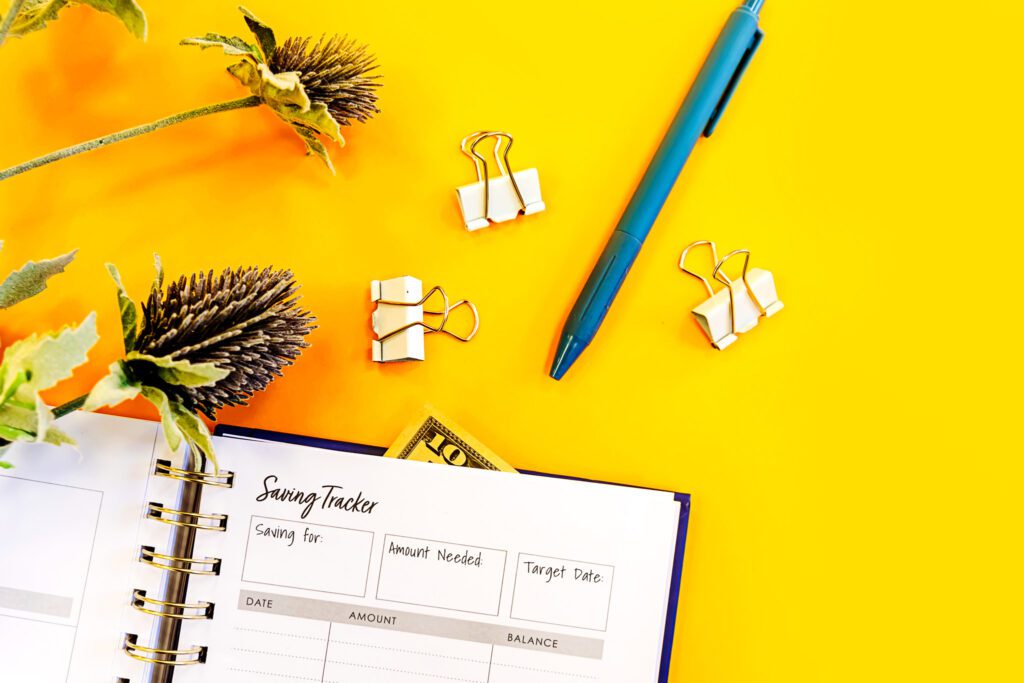
Setting clear goals is essential when saving for your next vacation. Knowing where you want to go and how much you’ll need makes saving feel purposeful. You can also make a vision board with images of the amazing places you want to visit to stay motivated.
Research the following:
- Flights
- Hotels
- Excursions
- Daily food expenses
- Taxis, trains, or bus tickets
Break the total cost into weekly or monthly savings goals to keep it manageable.
Create a Separate Vacation Savings Account

Keeping your vacation money separate helps prevent accidental spending. If you mix your accounts, that means that you will use the money for other things.
You can automate small deposits to make saving easy and convenient. Seeing the balance grow over time can also be motivating and make your goal feel more tangible.
Be Mindful of Room Types and Travel Choices

Vacation costs are not just about flights. Hotels, cruises, and accommodations often offer multiple price points. Being strategic about your choices can save hundreds or even thousands of dollars.
For example:
- On a cruise, interior rooms are cheaper than balcony rooms and still provide access to all ship amenities.
- Booking hotels a few blocks from tourist hotspots can reduce costs significantly.
- Consider flexible travel dates; midweek flights are often cheaper than weekend departures.
Even small adjustments like these can stretch your budget further.
Track Your Spending

You can’t save what you don’t see. The first thing you need to do to save money for your next vacation is to track your spending for a month.
Identify areas where money tends to slip away, such as dining out, impulse purchases, or subscriptions you rarely use. Many free apps, like Mint, PocketGuard, or EveryDollar, make this process easy for busy moms.
Once you know where your money is going, it becomes easier to make conscious decisions. Even small changes, like skipping one coffee run a week, can save dozens of dollars a month.
Stop Buying Things You Don’t Need
I’ve done it, and I’m guessing you have too. You see something on sale and buy it, even though you don’t really need it.
Impulse purchases are especially tempting when life is hectic and shopping is just a click away. Before hitting “buy,” pause and ask yourself:
- Is this something I truly need right now?
- Do I already own something similar?
- Will this item just add more clutter?
- If I don’t buy it, will it actually affect my daily life? Probably not.
If you’re shopping online, leave the item in your cart for a couple of days to give yourself time to think it through. If you’re in a store, stop and really look at it while asking yourself these same questions. Don’t put it in your cart unless it’s truly necessary, like replacing something you’ve run out of or no longer works.
Reuse Your Wardrobe and Mix Pieces Differently

We all want to buy new clothes for every event or trip, but sometimes that just isn’t in the budget and that’s okay.
Before buying anything new, shop your own closet first. Try mixing and matching outfits, layering pieces, or using accessories you already own to refresh your look without spending money that could go toward travel.
On my last trip, I rewore many items from my previous two trips but styled them differently. I even got creative by wearing long skirts as both dresses and skirts.
Look for Discounts Everywhere

Always check for promo codes, coupons, and cashback offers, especially for groceries, kids’ items, and household essentials. Saving a little here and there adds up over time.
Cancel Apps and Subscriptions You Don’t Use

It’s easy to forget about subscriptions. Streaming services, fitness apps, and premium tools often renew automatically, quietly draining your bank account. Take 10–15 minutes each month to review subscriptions and cancel anything you don’t use regularly.
This step is especially impactful because it’s recurring money that, once redirected to your vacation fund, can add up fast.
Cut Back on Eating Out

Between practices and busy evenings, eating out can feel like a lifesaver, but it’s expensive and often unhealthy. Try meal prepping, slow-cooker meals, or limiting dining out to certain days. Your wallet will thank you.
Join Loyalty Programs for Discounts
Travel-specific strategies can help you save money while still booking the experiences you want. Join free loyalty programs for airlines, hotels, and even cruises. These programs often offer exclusive discounts, early access to deals, or points that can be redeemed for flights, hotels, or upgrades.
Use Credit Cards for Points or Rewards
When used responsibly, credit cards that offer travel rewards or cash back can help pay for flights, hotels, or excursions. The key is to pay the balance in full each month to avoid interest. If not managed carefully, credit cards can work against your goals instead of helping you reach them.
Put Raises or Bonuses Straight Into Savings

A raise, bonus, or tax refund can be a powerful shortcut to boosting your vacation fund. Instead of using extra income to upgrade your lifestyle, consider directing it straight into a dedicated travel savings account.
Even small amounts, like $50 from a bonus, can make a difference over time. The key is consistency and separating this money from everyday spending.
Lower Household Costs
Being mindful of utilities, groceries, and energy use can reduce monthly expenses, freeing up extra money for travel. Even small changes around the house can help:
- Turn off lights when not in use and unplug electronics.
- Reduce water usage.
- Compare insurance, phone, or internet plans for cheaper options.
These savings may seem minor day-to-day, but over months, they accumulate enough to cover a hotel night or a portion of airfare.
Sell Items You No Longer Use
Sell items you no longer need, such as clothes your kids have outgrown, electronics gathering dust, or unused furniture, either online or at yard sales. This not only declutters your home but also adds extra money to your vacation fund. Plus, it’s a great opportunity to teach kids about the value of money and saving for something special.
Final Thoughts
You can learn how to save money for your next vacation without feeling overwhelmed. By making small, intentional choices, you can steadily grow your travel savings.
Remember, it’s not about giving up everything you enjoy; it’s about prioritizing the experiences that truly matter. With a little planning and consistency, your next adventure is closer than you think.
Best wishes,
Mel