
Trying to change careers as a mom can come with extra challenges, especially if you are returning to work after taking a break, but it’s absolutely possible with the right resources and support.
I made the switch from teaching to instructional design at 38, when my daughter was just three years old. After spending nearly 15 years as an educator in various settings, I knew I needed a change. The process wasn’t fast or easy, but motivation, determination, and perseverance made it possible.

Pin this post to read later
Career Change Timeframe
The timeframe it takes to change careers depends on your family situation and the time you can devote to learning. It took me approximately 2 years, but I have read about people accomplishing their goals in a couple of months. For that reason, never compare your career change journey to another person’s journey.
Steps to Change Careers as a Mom
There are many steps that can help you achieve your career change goals. Here are the steps that were most useful during my own transition.
Decide on Your New Career Path
The first step for any career change is deciding on your new career path. I have heard many working mothers say that they want to desperately change careers, but they do not know what to do. I would start by determining what skillset you already possess and what you’re good at.
Some example questions you can ask yourself include:
- Do you easily learn software programs?
- Do you work well with others?
- Are you good at editing or writing?
- Are you good at delivering speeches?
- Are you good with numbers?
- Can you manage your time effectively and meet deadlines?

Then think of your experience and what things about your current or previous jobs you liked doing the most. If you are transitioning to a new career field, you want to transition into something that you enjoy.
Identify transferrable skills. Many of your skills apply across different job settings. The U.S. Department of Labor has many useful resources to help with your career change.
Conduct Online Research
Finding a new career path will not happen in one day. You need to conduct research. I stumbled across instructional design when searching for careers that teachers can transition into. I was glad I did.
When I started searching for jobs in instructional design, I saw that many positions required experience with adults, therefore, I knew that working at a college was a positive thing.
I also saw that many job descriptions listed requirements such as knowing how to write objectives, analyzing learner needs, and developing learning materials. I had already acquired many of these skills as an educator, which made me feel excited.

On the other hand, it became clear how important it was to understand instructional design models, develop interactive content in software programs, and master basic graphic and visual design. My skills as a teacher were valuable, but they weren’t enough to make a full transition.
I explored online articles and followed blogs by experienced instructional designers, learning a great deal through independent research. However, the overwhelming amount of information quickly became too much for someone entering a new field.
To gain more structured guidance, I joined professional groups where I could interact with experienced designers and learn directly from them.
Join Professional Groups
Professional groups are full of many knowledgeable professionals and people just like you trying to break into the field. These groups provide a space for networking and finding support on your new journey. You can ask questions about:
- Top books they recommend in the field
- Positive and negative things about working in this field
- Things they wished they had known when starting out
Join professional groups on LinkedIn to expand your network while you search for jobs. Explore Facebook groups related to the career field that interests you.
Create a folder specific to your new career path and save any resources provided in the groups. Be sure to always check the search option in the groups to avoid asking the same question that others have asked and that there are answers to.
Learn as Much You Can About the Field
When transitioning to a new career, gaining knowledge is key. Here’s what worked for me:
- Udemy: Affordable courses on a wide range of topics.
- LinkedIn Learning: Free through my local library, check if yours offers the same.
- Completion Certificates: Both platforms provide certificates to showcase on LinkedIn.
Guidance vs. University Programs
While I was gaining knowledge in the field, I felt I needed more guidance. Many assume a university degree is required to switch careers, but that’s not always the case.
Fields like medicine, engineering, and law require specific certifications and degrees from accredited universities. On the other hand, many fields in corporate settings do not require you to have a specific degree and focus more on the skills you possess or a combination of both education and skills.

Choosing a Program
Many professionals create courses to help people transition into new careers. Tips for finding the right program include:
- Searching online for career-transition courses in your field
- Asking for recommendations in professional groups
- Considering your budget, available time, and learning goals
With a teaching background and job postings requiring a bachelor’s in education, I found an affordable program that helped me gain the right skills. I enrolled in IDOL Academy, an online instructional design academy created by an industry expert. Highlights include:
- Training and mentorship
- Completion badges and certifications
- Paid experience opportunities
- Portfolio-ready work samples
When you want to change careers as a mom, it’s important to choose a program that fits and aligns with your busy schedule.
Practice New Skills
Learning theory is important in any workplace, but theory alone is not enough to be successful in a demanding career. Employees need to be able to apply the theory to a real-world environment. Therefore, practice is key.
Review job descriptions and identify the key skills required for the positions you want. Notice which skills appear most often across different roles in the field, and work on developing or strengthening those skills.
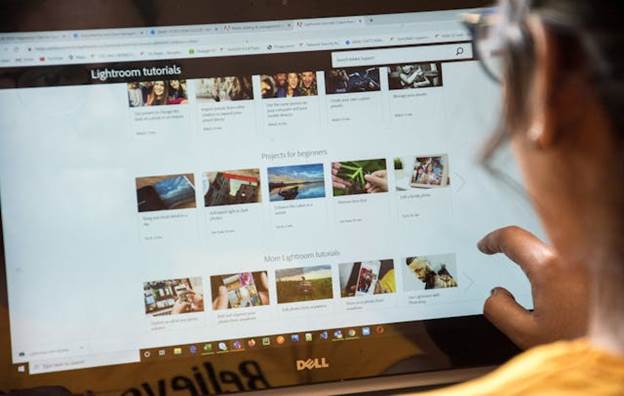
While reviewing job descriptions, I noticed that many employers required experience with eLearning software. To build that skill, I downloaded free trials and learned how to use the programs. The job descriptions stated that I needed to create training materials with those tools, so I practiced using the software to apply the theories I had learned.
Create a Portfolio (Industry Dependent)
Many companies ask for portfolios. A portfolio highlights your skills and talents, giving employers a preview of your work. Include sections and types of work samples that are relevant to your career field. This is very common for:
- Instructional designers
- Corporate trainers
- Graphic designers
- Programmers
- Writers
- Journalists
- Photographers
- Artists
- Makeup artists
If many job descriptions ask for a portfolio, then be sure to start creating one. This is very important for people that have just graduated or people transitioning into a new career field.
You need to stand out from the crowd and a good way to do it is showcasing your skills. Ask yourself:
- Does the job description mention software that I need to be able to use?
- Are there any types of documents I need to know how to create?
- Are there any specific skills that I can showcase in my portfolio?
If you answered yes to any of these questions, creating a portfolio can bring you closer to getting hired. While work experience matters and gives candidates an advantage, a well-designed portfolio can help employers decide to interview you and it can even influence the final hiring decision.

Host your portfolio on WordPress or use a website builder like Squarespace, Wix, or Google Sites. Explore portfolios of professionals in your field for inspiration. Include samples that clearly showcase the skills required for the type of role you want.
Update Your Resume
Why is updating your resume important?
Based on my personal experience, updating your resume is essential if you want prospective employers to consider you for an interview.

One thing I noticed when I first started applying for jobs outside of teaching was that I was barely getting interviews. My resume mainly reflected my experience in education, which didn’t always align with the roles I was applying for.
Another issue was that I was sending the same resume to every employer. After speaking with professionals in the field, I learned how important it is to tailor your resume to each position you apply for.
Another recommendation is to include a cover letter summarizing how your experience and education make you a good fit for the position. Lastly, use Jobscan to land jobs faster by optimizing your resume for the Applicant Tracking System (ATS).
Start Applying
After researching your new field, updating your resume, and creating portfolio samples if needed, it’s time to start applying.

Check whether a job title is used interchangeably with others so you don’t limit your options. In instructional design, for example, I discovered that similar roles include learning designer, training specialist, instructional systems specialist, curriculum designer, and curriculum developer.
Apply to jobs even if you do not possess all the skills or experience indicated. If you have enough transferable skills, you may be considered, and the other skills can be learned on the job.
I also encourage you to read company reviews and see what former and current employees are saying about the company culture and workplace environment.
Establish Your Non-Negotiables
Think about what things are non-negotiable if you get an interview and are offered a position. Consider the salary range, job type (full-time or part-time) benefits, and work model (on site, hybrid, or remote).
Keep in mind that transitioning into a new career field may sometimes require a pay cut. This isn’t always the case, I’ve heard from many people who were offered significantly more than their previous salary. However, if you’re new to a field and don’t yet have the skills required for mid- to senior-level roles, you may need to start in an entry-level position.
The important thing to remember is that you can change careers as a mom. Above all, consider what is best for you and your family, and how accepting a position may affect your household dynamics.
Volunteer
If you do not have any experience in the field you are trying to transition into and are having trouble getting interviews, you can consider volunteering.
There are many non-profit organizations that need help and will let you use completed work as samples for your portfolio. You will be contributing to a cause while building content for your portfolio.
Ask about non-profit organizations in your professional groups or simply conduct a Google search and you will find different organization and companies looking for volunteers.
What I Learned From This Journey
As busy working mothers, it’s important that we continue dreaming and working hard to achieve our personal and professional goals. I was able to change careers as a mom in my late 30s. It is never too late to start. The key is to stay focused and believe in your capabilities.
If you need further assistance with your resume, visit CareerOneStop. Are you ready to change careers as a mom and find a new job?
Best Wishes,
Mel