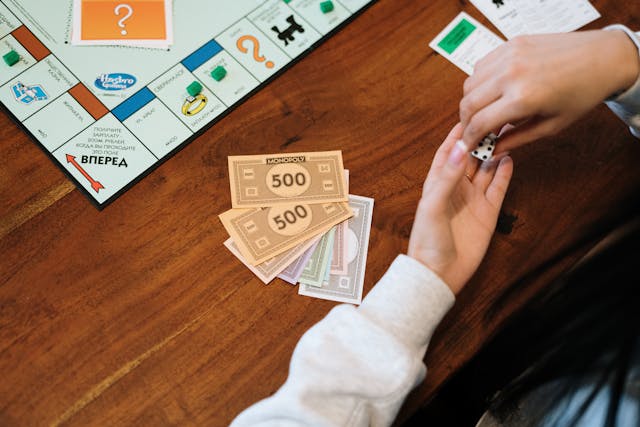
When you’re a mom, you often have to divide your time between work, household responsibilities, helping your children with schoolwork, and trying to fit in family bonding activities. It’s a lot to juggle.
You may feel guilty that you cannot spend as much time as you desire with your loved ones. That is why I want to share some quality time ideas, some that I enjoyed as a child and others I now do with my daughter, that are not only entertaining but also foster learning.
As a former teacher who loves choosing educational games, I’ve gathered activities especially suited for school-aged children. It’s important to remember that family bonding is also a meaningful form of self-care for moms.

Pin this post to read later
Board Games
There are different fun family bonding activities you can do on any day of the week or on a designated day called Family Game Night, but one of my favorites is to play board games.
Playing board games can support cognitive and academic development according to research conducted with school-aged children in a classroom setting. Board games encourage reasoning, comprehension, problem-solving, strategic thinking, memory, and quick decision-making. The study found that incorporating board games had a positive impact on participants’ reading and math skills.
Let’s look at 3 classic board games that are family favorites.
1. Guess Who
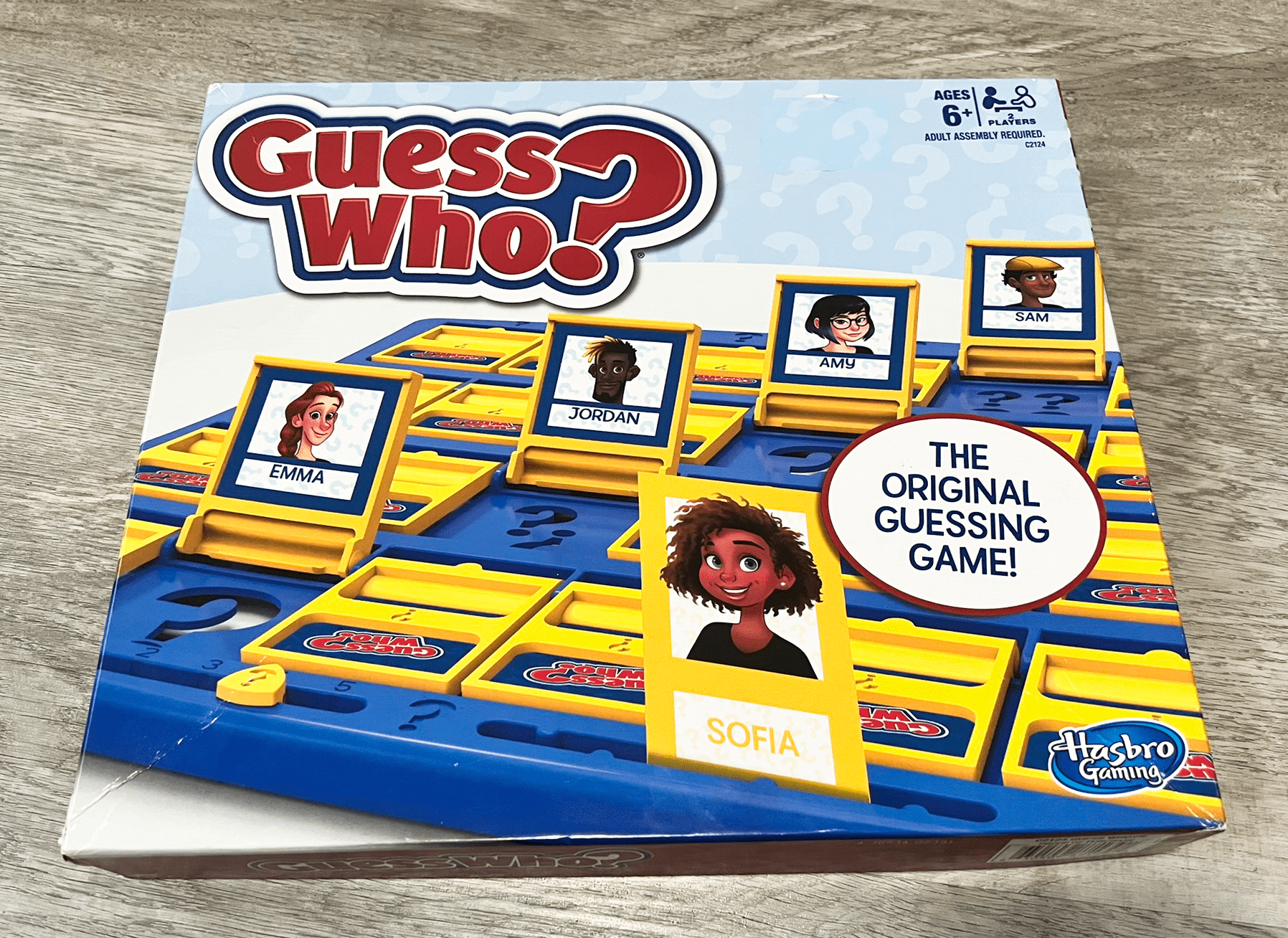
Guess Who is a fun game that helps foster speech. It consists of players taking turns to ask yes or no questions about the character the other player has selected and flipping down characters based on the other players’ answers. Some example questions are:
- Does your character have eyeglasses?
- Does your character have black hair?
- Does your character have blue eyes?
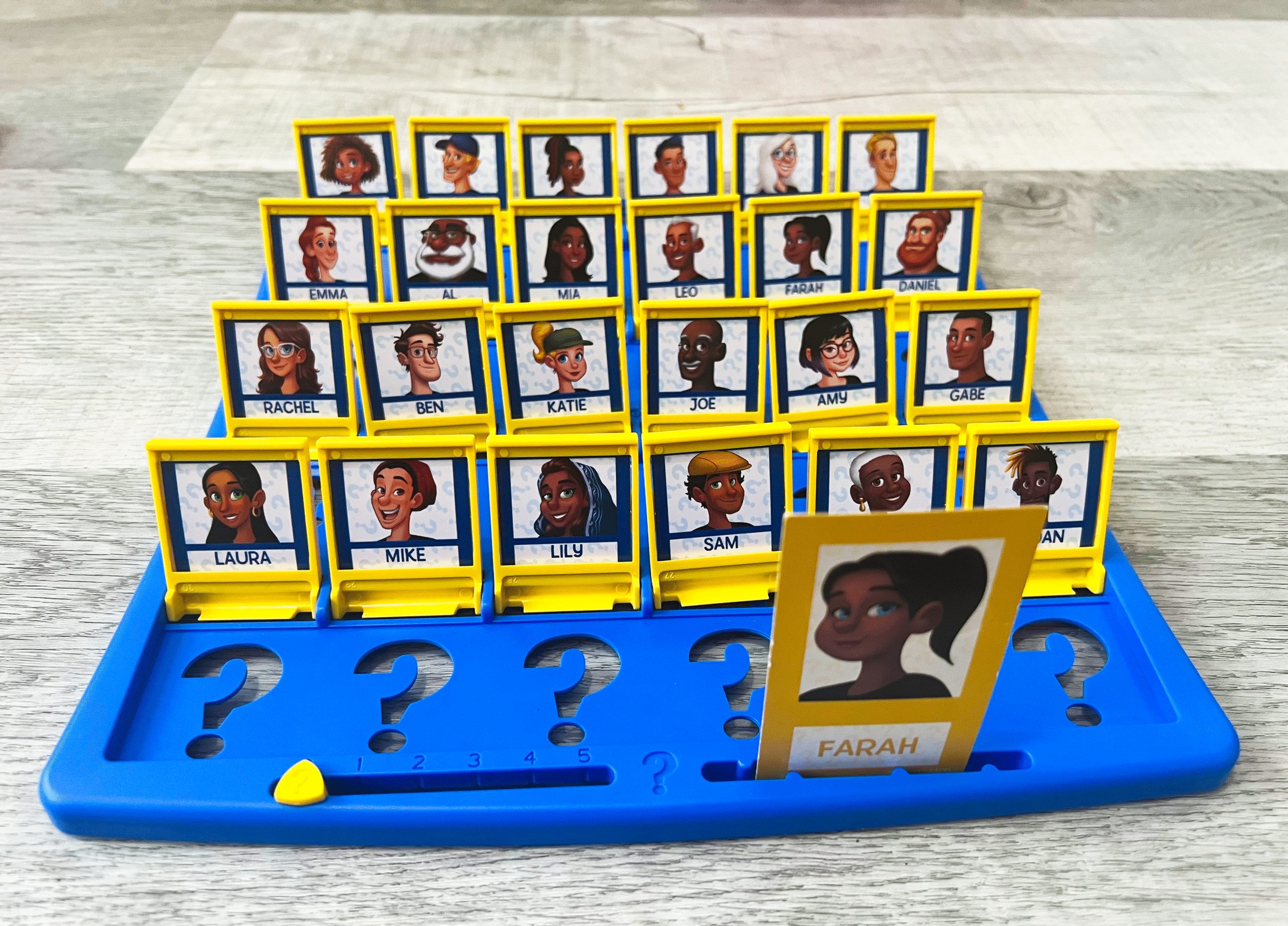
Guess Who is a fantastic game for helping kids build vocabulary, practice parts of speech, and ask questions. This game is also a great tool for language learning.
When my daughter was learning Spanish, we used Guess Who to reinforce her new vocabulary. Whenever she didn’t know a word, I guided her, modeling how to ask questions. Over time, with plenty of practice, she started asking questions in Spanish on her own. Now, we enjoy playing in both English and Spanish!
2. Monopoly Junior
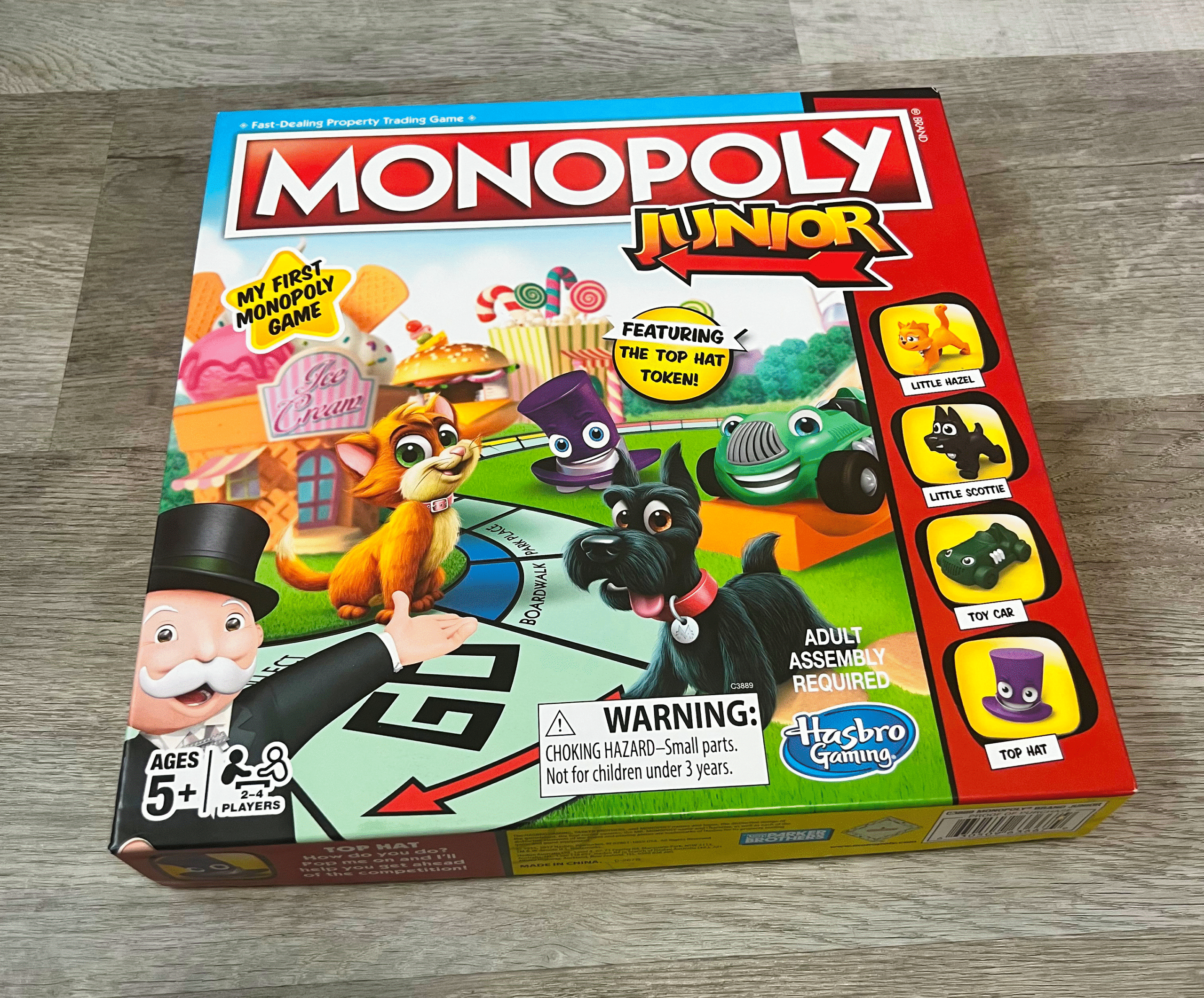
Monopoly Junior is a great way to introduce young learners to basic money concepts and transactions by buying and renting properties. The properties include common places children visit such as: pizza place, ice cream shop, zoo, bowling alley, toy store, pet store, arcade store, and movie theater. Children’s faces will light up every time they own a new property.
The game is designed for 2–4 players ages 5 and above. The game includes the following items:
- Gameboard
- Tokens (Little Hazel, Little Scottie, Top Hat, and Toy Car)
- Cash
- Die
- Chance cards
- Character Cards
Players must take turns rolling the dice to see where their token lands. If they land on Chance, they need to grab a Chance card and perform the task on the card.
Each time they land on a property for the first time, they need to buy it. If another player already bought it, then they need to rent it for the amount established.
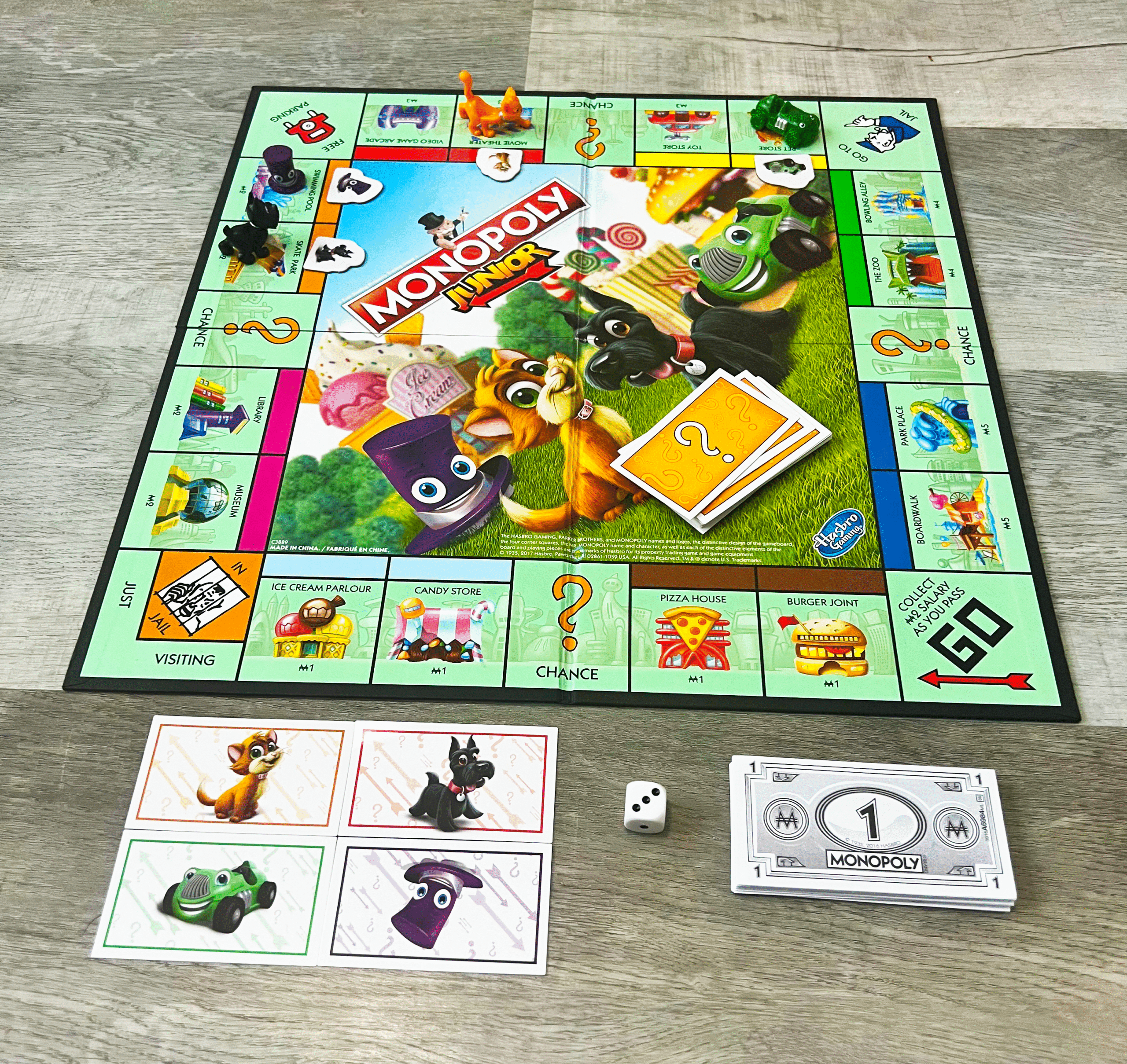
When a player goes bankrupt, the other players count how much cash remains and the player with the most cash wins.
For a more advanced option, players will be able to give the property to another player or put the property back on the market when they do not have enough money to rent a property or pay a fee.
3. Clue Junior
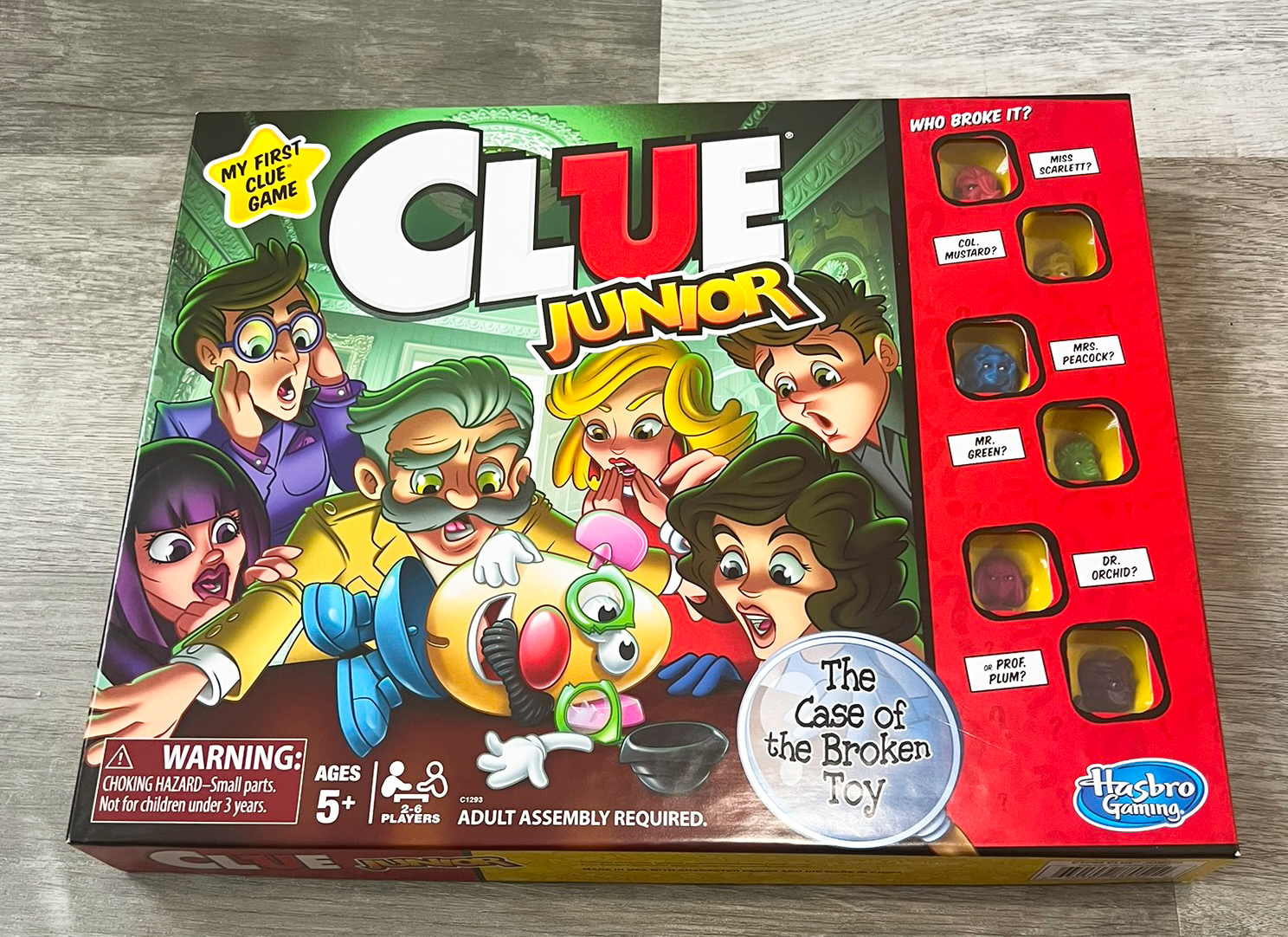
Clue Junior is a game where players will use their detective skills to solve the mystery behind a broken toy.
Players need to know what toy is broken, who broke it, and at what time. It is a great game for using strategy and having attention to detail since you must keep track of everything. The game includes the following items:
- Gameboard
- Character Pawns
- Furniture Tokens
- White Bases
- Yellow Bases
- Detective Notepad
- Die
- Label Sheet
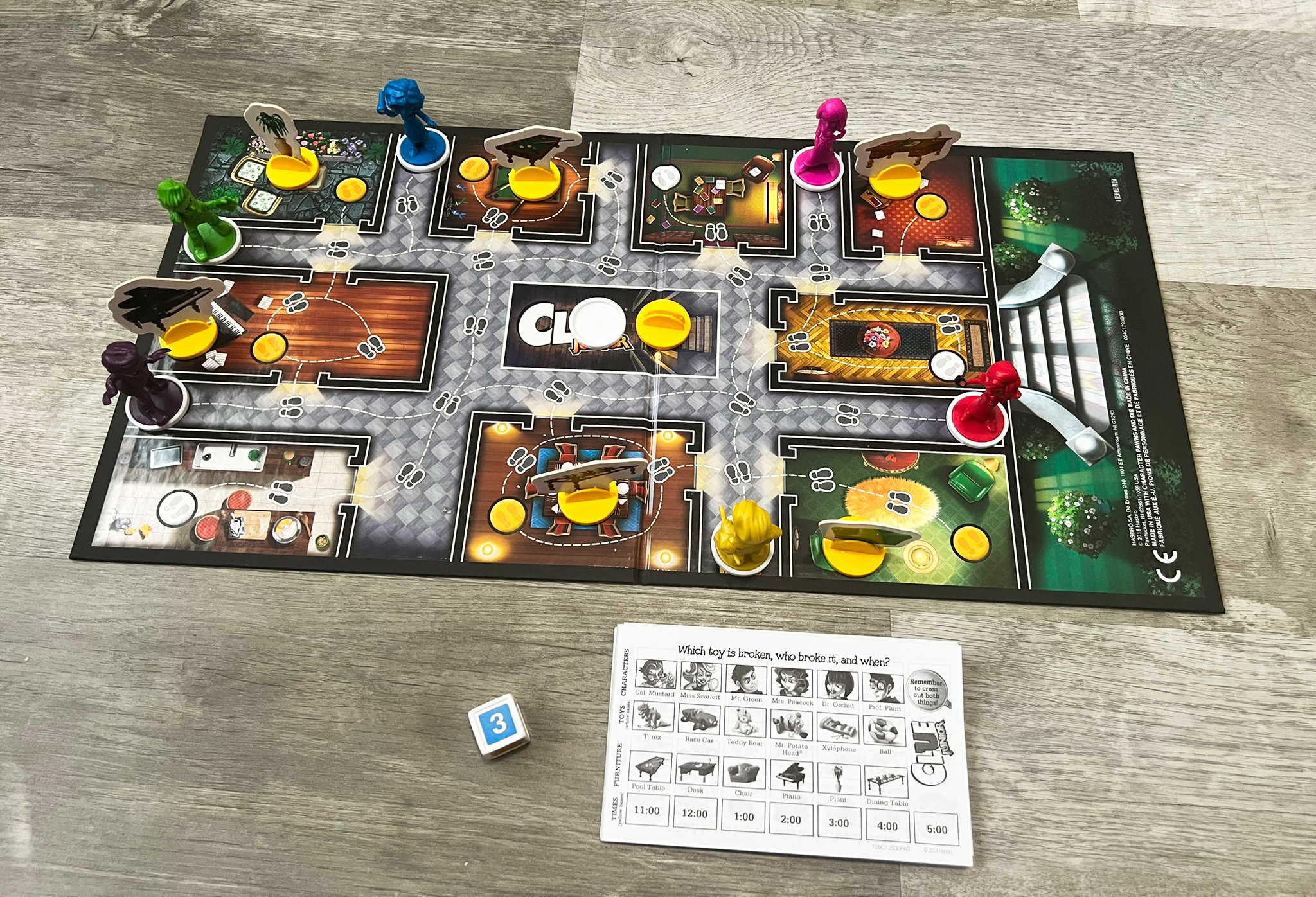
This game has been one of our favorite games to play as a family. It is fun and keeps everyone intrigued.
Note: The game includes only one detective notepad. While it contains multiple pages that can be used front and back, I recommend laminating at least six pages in advance so you can reuse them and continue playing without running out.
Memory Matching Cards
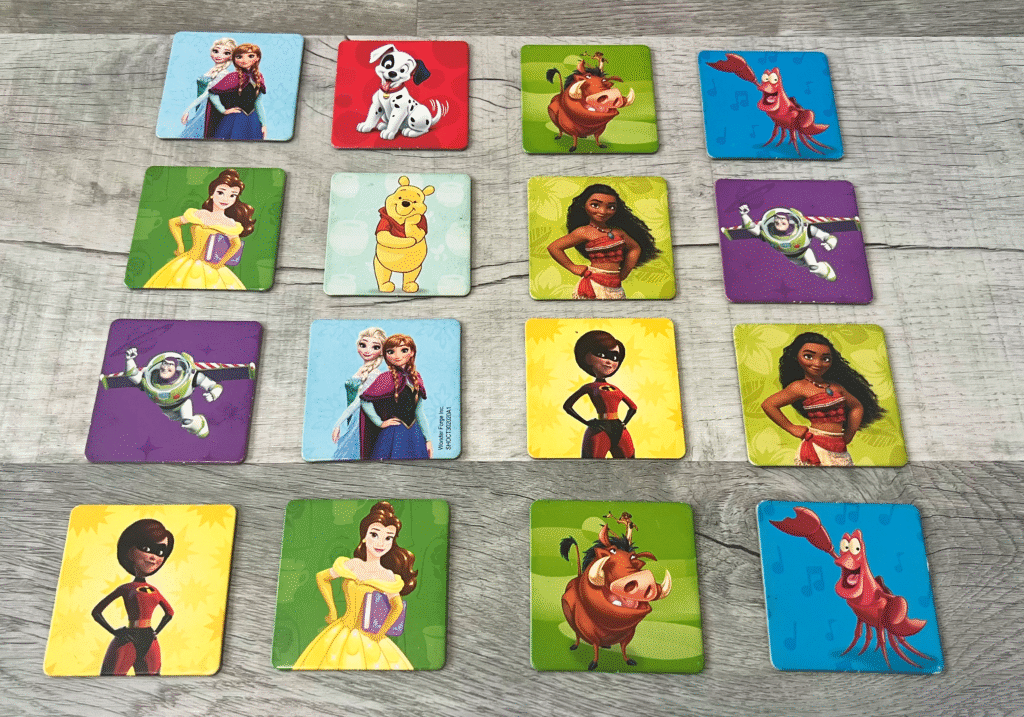
Matching cards help young learners and adults improve their concentration, visual memory, and focus skills. Matching games require players to remember where each character or item is located to find its match. Some memory games I purchased on Amazon are:
Puzzles
Building puzzles is a family activity that is perfect for all ages. Puzzles help stimulate the mind and foster concentration and problem-solving skills.
When my daughter was a toddler, I bought non-toxic wooden puzzles that she loved. These types of puzzles enhance hand-eye coordination, promote the development of new vocabulary, and foster curiosity. The puzzles I purchased are:
- Magifire Wooden Puzzles for Toddlers
- Joyjoz Wooden Jigsaw Puzzles
- Graceon Wooden Jigsaw Puzzles Set
- Coogam Wooden Pattern Blocks
As your child grows, expose them to more challenging puzzles. Remember to select puzzles appropriate for the child’s age to not overwhelm them.
After your child can master a puzzle with X number of pieces, then challenge them with puzzles with additional pieces.
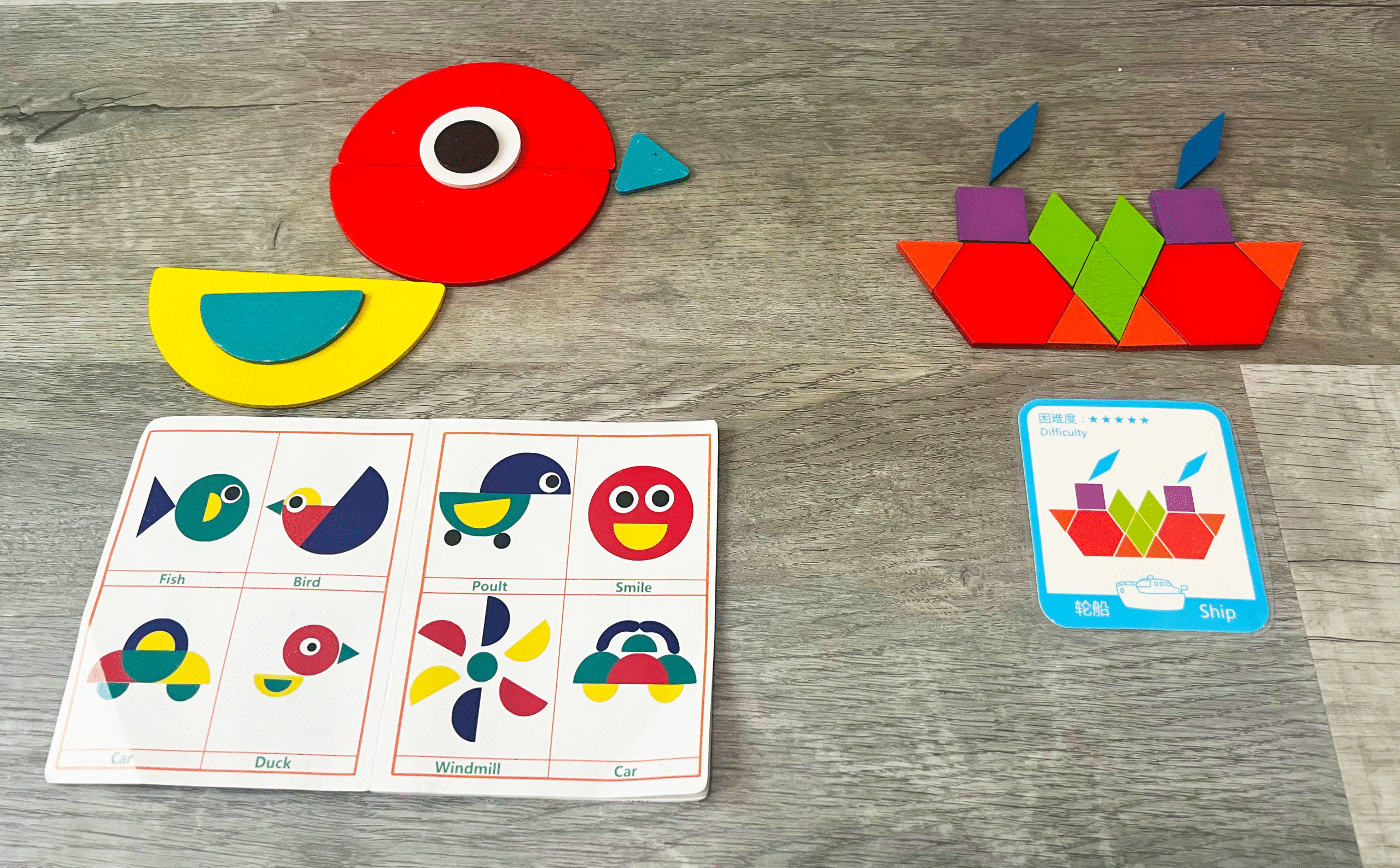
I highly recommend purchasing a puzzle with geometric shapes that form objects. These types of puzzles are colorful, innovative, and fun to build. The puzzle box I purchased includes the puzzle pieces and cards of the objects you need to create, showing the color and shape of each piece.
Role-Playing Toys
Role-playing toys also make excellent family bonding activities, supporting children’s emotional, social, cognitive, and creative development.
According to research on the importance of role-play in children’s development, experts suggest that role-playing encourages children to take an active role in their own learning. It allows them to engage in realistic scenarios, promoting communication, information exchange, and the development of language, creativity, and critical thinking skills.
Observe your child. Does your child want to imitate you? If so, why not spark that creativity by purchasing educational toys that promote role playing? Role-playing has many advantages such as:
- Enhancing children’s vocabulary, verbal, and listening skills
- Building their self-esteem
- Expressing themselves creatively
- Practicing taking turns and resolving conflict
- Making decisions
- Preparing them for real-life experiences
Let’s see examples of toys that are ideal for role-playing.
1. Leap Frog Products
I love Leap Frog. I used Leap Frog products when I was a teacher, and students really enjoyed these resources because of their interactive nature.
While I can recommend many Leap Frog educational products, I want to focus on two items that my daughter has, which allow for role-playing, bonding time, and ample opportunities for practicing listening and speaking skills.
The two Leap Frog products I recommend are:
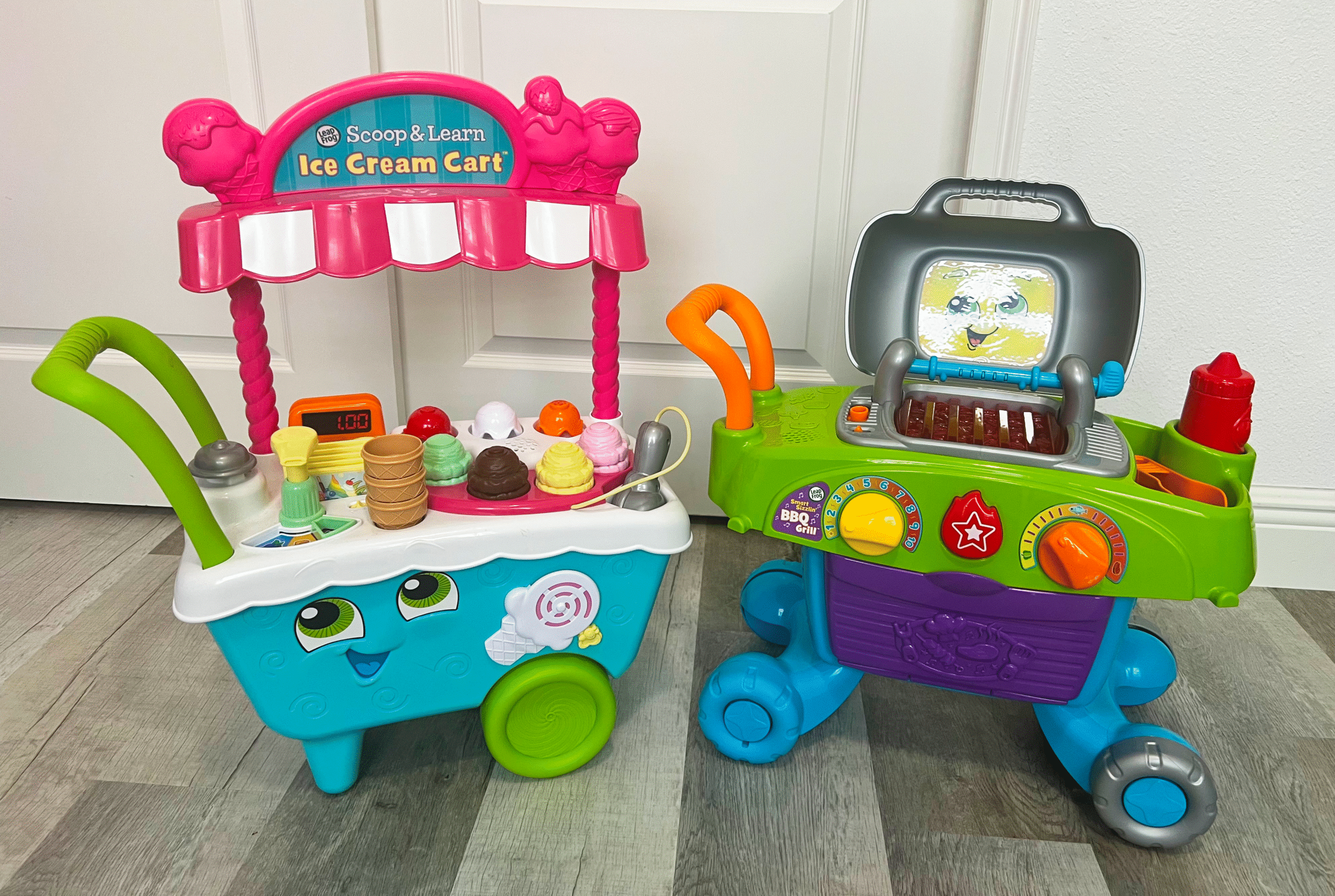
My daughter loves using these toys to pretend she works at a restaurant, serving delicious food, or at an ice cream shop, selling different flavors of ice cream. Then, we switch roles, and she becomes the customer.
During our playtime, my daughter is asking and answering questions, reviewing vocabulary, and using adjectives to describe food items. We use conversation starters or any phrase we have heard when we visit ice cream shops or restaurants.
Example Phrases (Employee)
- What would you like to order?
- Would that be all or would you like to order something else?
- Would you like one, two, or three scoops?
- Would you like ketchup on your hotdog?
Example Phrases (Customer)
- I would like a vanilla ice cream with caramel.
- Do you have cherries?
- I would like to have a hot dog and some fries.
- How much does a chocolate ice cream cost?
These types of toys provide ample opportunities for children to practice asking and answering questions while using their imagination, without spending all day on a screen.
2. Cashier
My husband purchased a play cashier for my daughter, and it has been a great way to teach her about money concepts, addition, and subtraction. Role-playing while using a cashier enables parents to talk about topics such as earning money, saving money, and spending money.
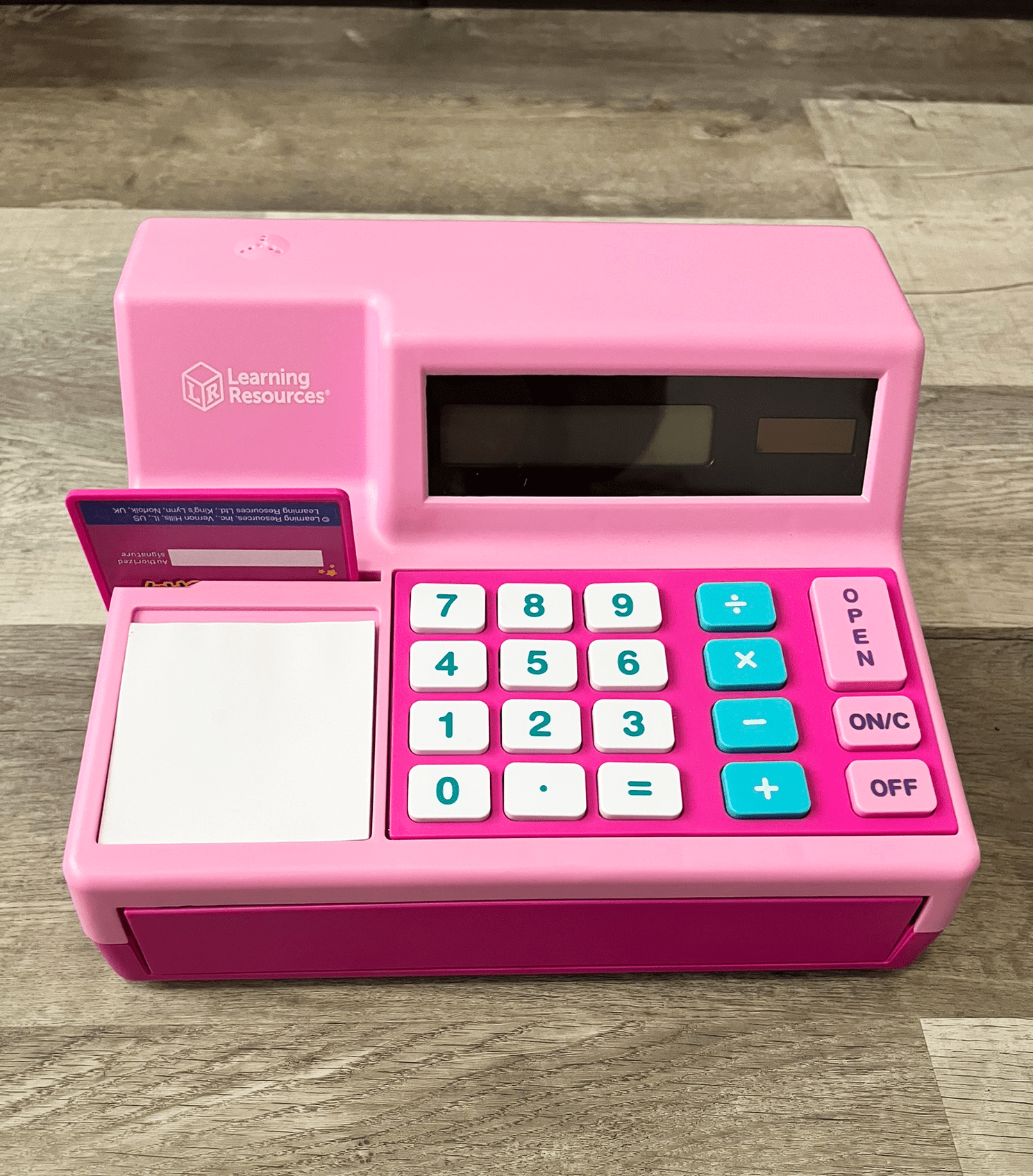
Using a cashier toy also fosters imagination and creativity. Children can use the cashier and pretend they work at a supermarket, a toy store, or a beauty salon. I highly recommend a cashier for tackling problem solving, math concepts, and oral communication skills in a fun way.
3. Doctor’s Kit Playset
Another great way to incur in role-playing is having a doctor’s kit playset. Role-playing in a medical scenario provides the opportunity for different interactions.
During role-play, my daughter and I use different roles such as doctor, nurse, or patient. Sometimes she also pretends her stuffed animals are her patients.
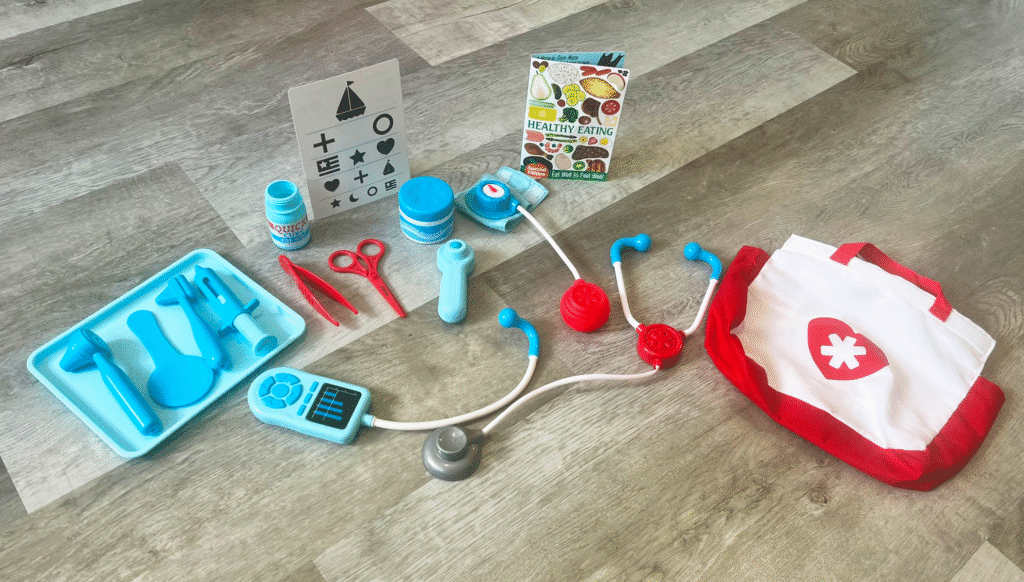
My daughter asks me questions regarding my symptoms, gives me shots and medicine, uses the stethoscope to listen to my heartbeat, checks my temperature with the thermometer, and talks to me about the importance of washing my hands and eating healthy. She tries to imitate what her doctor says and does when she goes in for a checkup or sick visit.
Some benefits of role-playing with a doctor’s kit include:
- Learning new vocabulary (e.g., heartbeat, thermometer, stethoscope, syringe, and blood pressure)
- Asking relevant questions (e.g., How are you feeling?)
- Analyzing symptoms and deciding on treatments
- Practicing kindness as doctors and nurses do with patients
STEM Building Activities
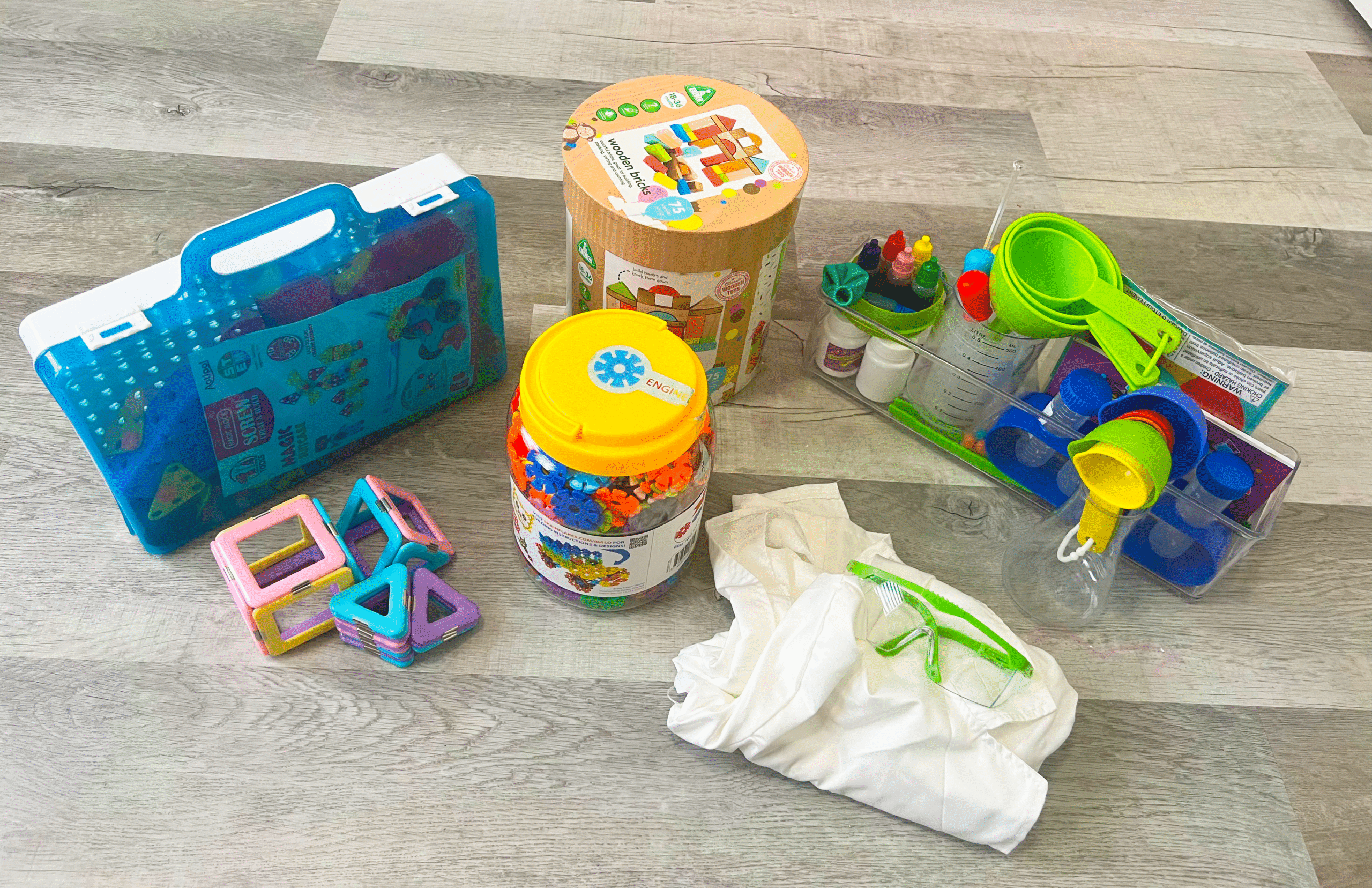
How can we foster children’s creativity, problem-solving, and critical thinking skills in an engaging way?
According to Accelerate Learning, STEM activities are an excellent way to inspire a love for learning while supporting children’s skill development. These activities introduce science, technology, engineering, and math in fun and innovative ways, promoting analytical thinking, creativity, and digital literacy.
Some of my daughter’s favorite gifts in the STEM field are:
- UNGLINGA 70 Lab Experiments Science Kits
- Pidoko Wooden Blocks
- Coodoo Upgraded Magnetic Blocks Magnets
- Haptime Design and Drill Toy
- Pidoko Kids Wooden Blocks
- VIAHART Brain Flakes 500 Piece Set
- LEGO Super Mario Adventures with Luigi Starter Course
Augmented Reality
As someone who loves technology, I’m focused on finding games that help my daughter disconnect from screens. However, I want to recommend a product that truly impressed me due to its educational value. Play Shifu Orboot Earth is an interactive globe that fosters curiosity, discovery, and exploration.
Users learn about different topics such as:
- Countries
- Cultures
- Animals
- Geography
- Natural Resources
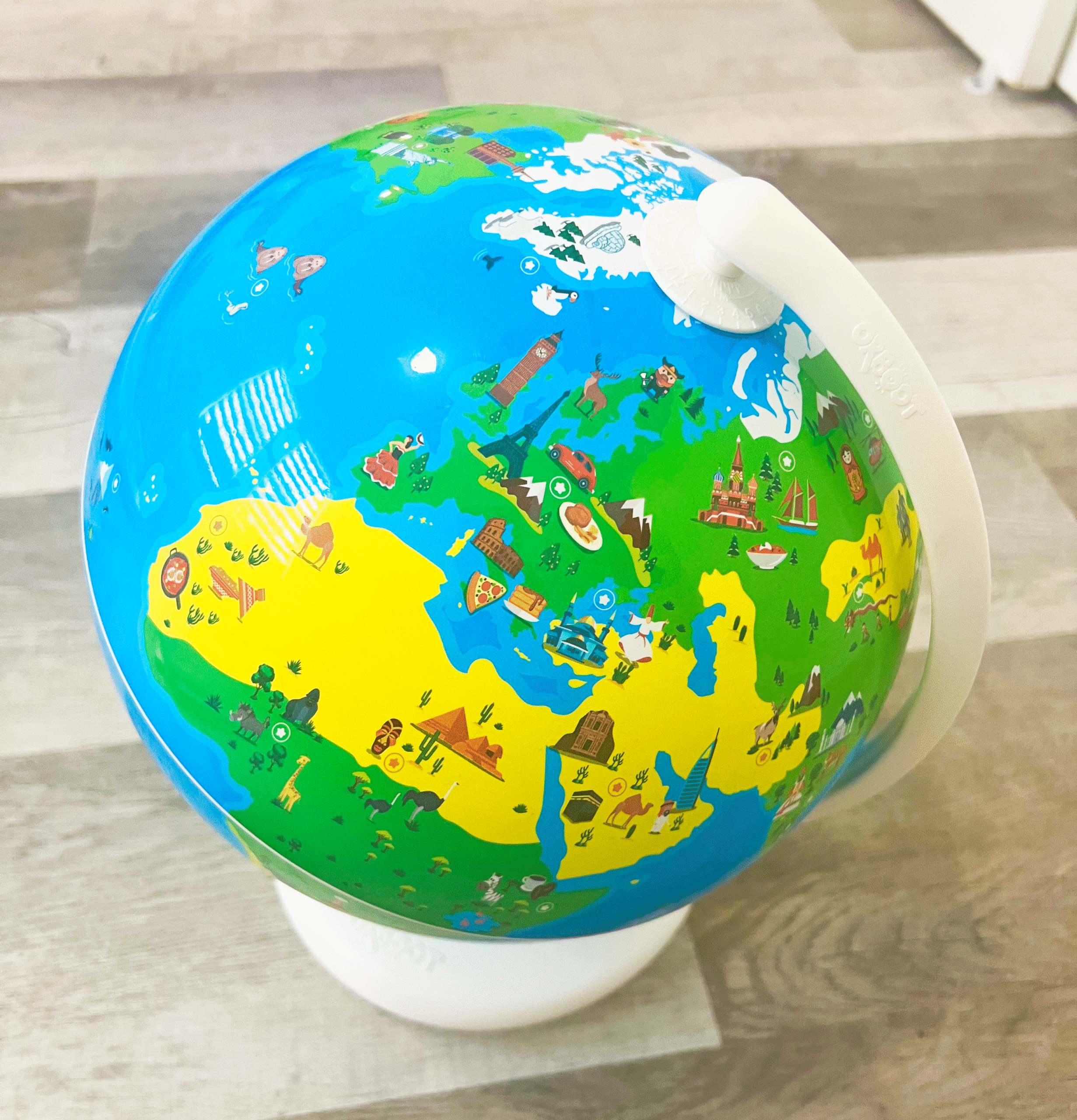
Play Shifu Orboot Earth provides augmented reality and access to different activities, games, and quizzes while earning coins along the way. Being able to learn facts about wonderful places and cultures around the world and sharing this experience with your child is amazing.
This product comes with a globe, a passport, stamps, and country flag stickers. To use it correctly, you need to download the Play Shifu Orboot Earth app on your iPAD, iPhone, or Android phone, or tablet. Please be aware that this product is not compatible with an Amazon Fire.
Karaoke
Using a karaoke is one of the most entertaining family bonding activities, offering fun for everyone while providing educational opportunities. According to Gem Learning, using a karaoke stimulates auditory processing and helps develop cognitive, reading, and language skills.
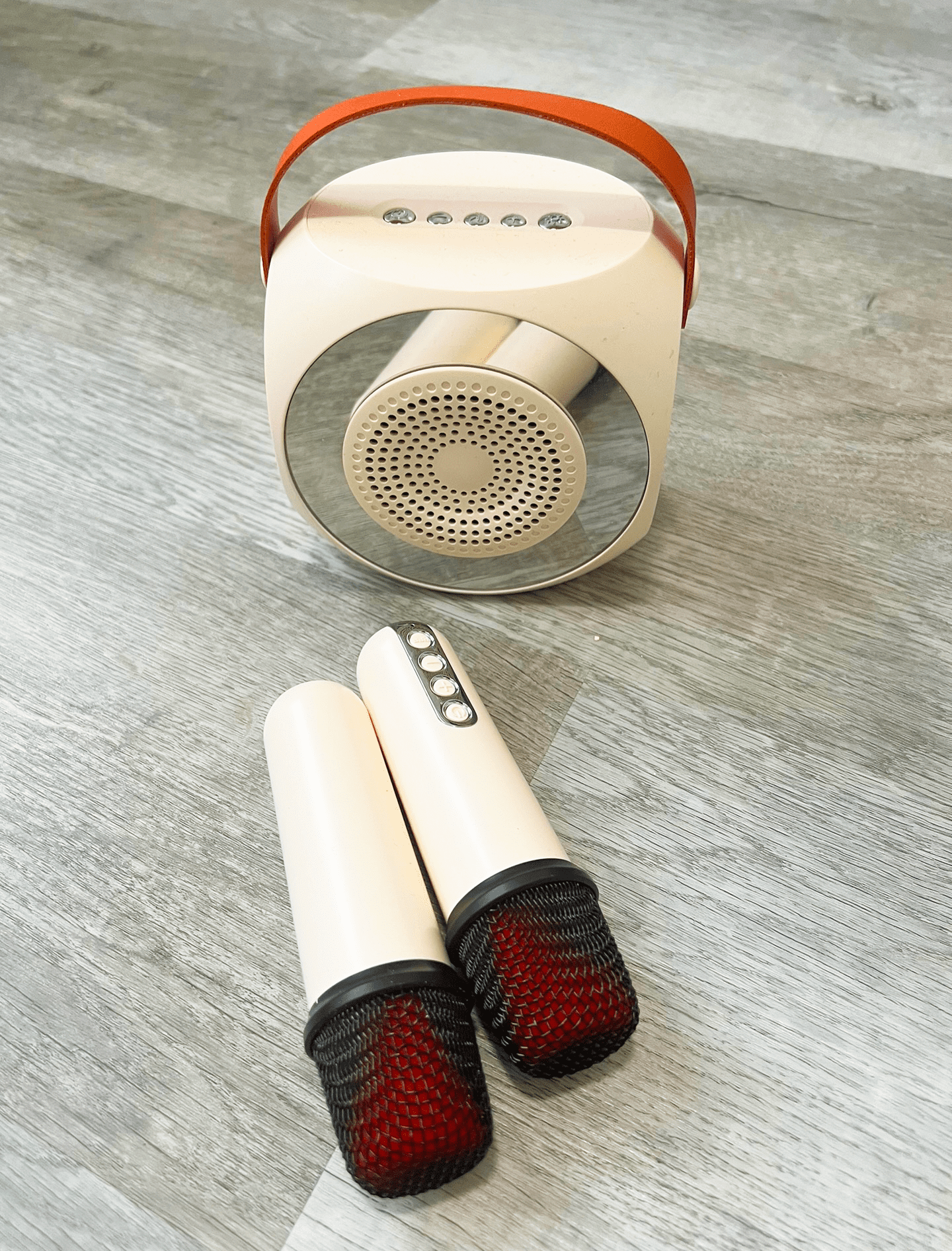
Children love to use the microphone because they feel like super stars and can put on a show, they can sing and dance to their favorite music, and they can freely express themselves. Some ways you can use a karaoke with your children are:
- Reading aloud stories
- Playing rhyme games
- Practicing vocabulary
- Asking and answering questions for a game
- Giving instructions when playing games such as Simon Says
Final Thoughts
There are plenty of activities and games that promote quality bonding time for families. Select a few and enjoy that special time with your children. Other activities that you can explore are gardening, painting, and drawing.
What family bonding activities do you enjoy the most?
Best wishes,
Mel